Physical stores
 Free shipping on orders over

 Филтри
 Login
Login


 Назад
Назад

Fortified wine
Филтър

Каталог с продукти
(1 - 13 of 13 results)


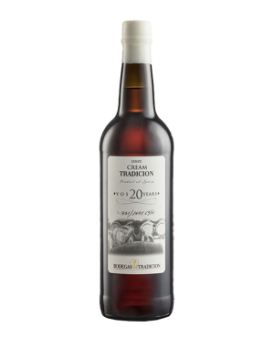
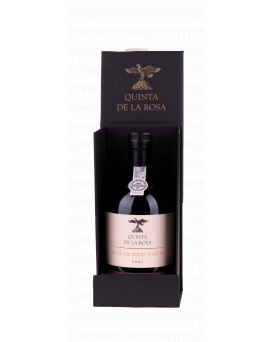

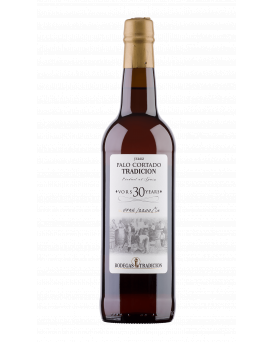
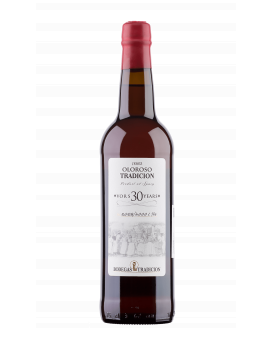
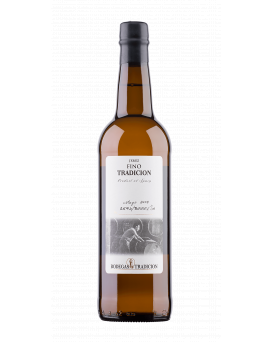
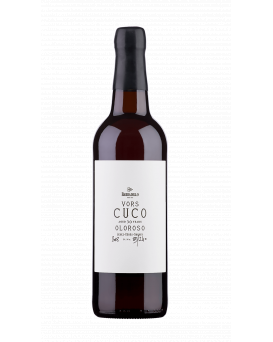
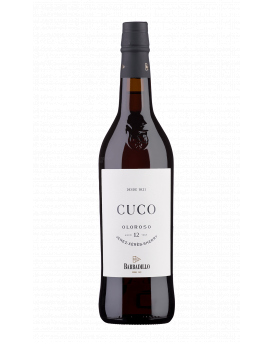
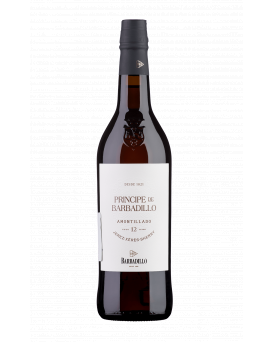


Описание на категорията
Fortified wine is one whose alcohol content is increased by the addition of alcohol to it. This definition is quite broad as a concept and includes a wide range of products. To understand and enjoy fortified wines, it is good to be familiar with their production methods and varieties. Take a close look at the selection of Seewines and you will be amazed by this diversity.
How are fortified wines made?
The fortified wine is prepared by the addition of distilled alcohol to the main base wine during or after the fermentation process. The type of the final fortified wine depends on this base wine and the used method of fortification. Thus, the various types of fortified wines are determined by the grape variety used for vinification, and can range from very sweet to dry, almost salty in the taste. After the fortification takes place the wine usually ages in wooden barrels.
Type of ageing of fortified wines?
An important stage of the process of working on fortified wine is ageing in barrels. There are two main types, oxidative and biological, and sometimes a combination of the two occurs. Oxidative ageing means that the wine is exposed to oxygen, during which an oxidation process takes place. The biological process is based on the creation of a yeast "coating" on the wine, which protects the wine from oxidation and gives some additional nutrients and interesting aromas due to the interaction of yeast with the wine. Another important aspect is the type of maturing - in one barrel or dynamic – with the latter meaning that the wine is "moved" from barrel to barrel and is in this way mixed with different vintages. This form of ageing is called Solera and the rows of barrels - Criadera. Simply put, the way that Solera and Criadera work is that the wine benefits from the refreshment with young wines, and from the complex characteristics developed over the years of ageing in barrels.
Which are the grapes for fortified wines?
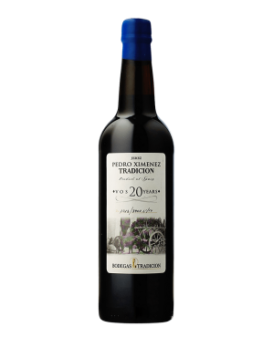
Depending on the end result to be achieved, different varieties of grapes are used. In Spain, in the region of Jerez, where the world-famous sherry is produced, for its sweet version the grape is Pedro Jimenez or Moscatel, while for dry sherry such as Oloroso or Manzanilla, the variety is Palomino. In Italy, in the region of Sicily, the well known Marsala wine is produced from Grillo, Catarato and others. In Porto, Portugal, the world famous port wine is produced from Touriga Nacional, and Madeira is also a type of fortified wine whose homeland is Portugal, and the variety is Malvasia for sweet and Verdelho, Negra Mole and others for dry Madeira.
What are the most famous regions for fortified wine in the world?
Undoubtedly, we have all heard of sherry and port - the first in Spain, in the region of Jerez, and the second - in Porto, Portugal. Madeira (again from Portugal) and Marsala from Sicily, Italy are also well known. If you know these wines or just want to get acquainted, visit our Fortified Wine section, where you will find excellent representatives from these regions.
How to choose and consume fortified wine?
The world of fortified wines is vast - from sweet to dry. They can be consumed as digestifs or in combination with different types of food. The dry sherry Manzanilla goes great with fried fish, for example, while Oloroso pairs perfectly with mature cheeses or game. Port wine is a wonderful addition to Stilton cheese or dark chocolate, and the sweet representatives of fortified wines are perfect with fruit cake, vanilla ice cream or foie gras. If you are new to this wonderful world of fortified wines and are having difficulty choosing, trust the advice of our Chief Sommelier Blagoy Kuzmanski, who is a certified sherry ambassador, and fortified wines are really his passion.